Electrical Repair in Denver.
WATT911 connects Denver property owners with independent, qualified electrical contractors specializing in code-compliant Electrical Repair installations, safety assessments, and repairs.
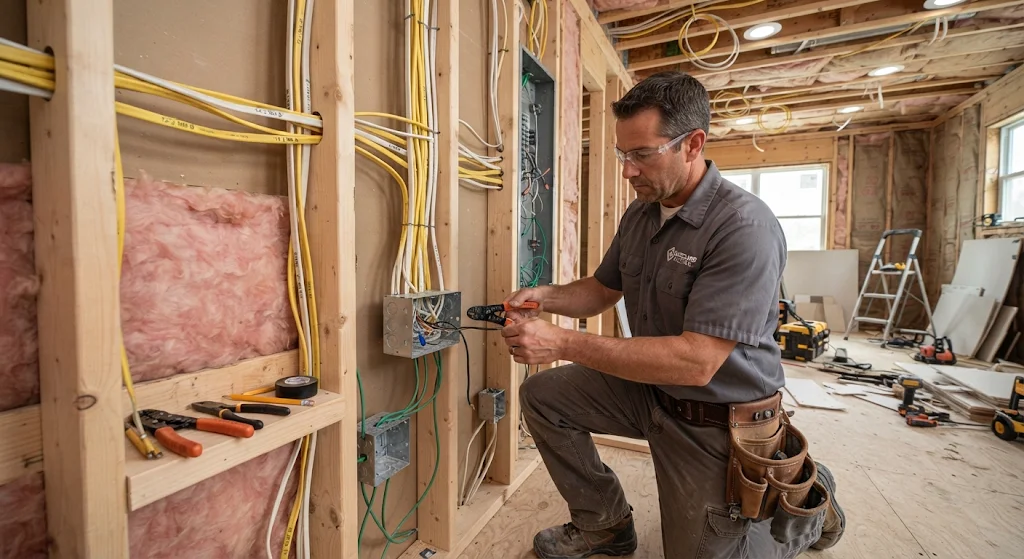
Reliable electrical repair in Denver requires an in-depth understanding of local building infrastructure, regional climate stress, and strict adherence to the Colorado State Electrical Board and Denver Community Planning and Development (CPD) requirements. Whether you are dealing with flickering circuit runs in an established residential home or sudden breaker trips inside a commercial unit, professional diagnostics ensure that root causes are identified rather than masked with temporary fixes.
Common Electrical Issues Requiring Professional Assessment in Denver
Electrical anomalies in Denver often stem from an interplay of age-related wear, intense seasonal temperature shifts along the Front Range or Western Slope, and modern electrical load demands that far outpace original circuit designs. Common symptoms property owners encounter include:
- Frequent Circuit Breaker Tripping: Breakers are thermal-magnetic safety mechanisms engineered to trip when circuit amperage exceeds safe limits. Persistent trips indicate either a localized branch overload, a deteriorating breaker, or an intermittent short circuit that requires immediate investigation.
- Persistent Light Flickering or Dimming: While a single loose bulb is benign, widespread flickering across multiple rooms frequently points to loose neutral conductors, deteriorating busbar connections inside the main panel, or voltage fluctuations from the local electric utility.
- Discolored, Scorched, or Warm Receptacles: Outlets that feel unusually warm to the touch or exhibit brown oxidation streaks are experiencing dangerous electrical arcing. Arcing creates extreme localized heat capable of igniting structural wall framing.
- Nuisance GFCI and AFCI Tripping: Ground-Fault Circuit-Interrupters (protecting against electrocution in damp areas) and Arc-Fault Circuit-Interrupters (protecting against ignition hazards) can trip due to damaged conductor insulation, neutral-to-ground faults, or appliance motor harmonic feedback.
- Burning Odors or Buzzing Sounds: Any ozone or acrid burning plastic scent emanating from switches, junction boxes, or panels indicates active thermal breakdown of conductor insulation and represents an imminent hazard.
Local Housing Context and Wiring Vulnerabilities in Denver
Denver features a dense blend of historic brick bungalows in Washington Park, Victorian homes in Highlands, and sprawling commercial high-rises throughout downtown and the Denver Tech Center. Electrical infrastructure spans older knob-and-tube or ungrounded wiring in historic neighborhoods to cutting-edge smart panel and EV fleet charging in modern developments. In older neighborhoods across Denver, technicians frequently encounter legacy wiring technologies including ungrounded two-wire branch systems, cloth-insulated conductors whose rubberized jackets have become brittle, or even residual active knob-and-tube runs. Attempting unpermitted modifications on these fragile circuits without verifying continuous equipment grounding paths violates electrical codes and introduces significant hazards.
Denver governs electrical work under the Denver Building Code amendments and city-specific licensing requirements alongside the State Electrical Board. Diagnostic troubleshooting and like-for-like device replacements may not always require full permits, but any modification that extends existing branch circuits, adds new dedicated home runs, or repairs service entrance conductors must be permitted through Denver Community Planning and Development (CPD) to protect your property insurance and municipal compliance.
Diagnostic Methodologies: What a Qualified Electrician Evaluates
Independent electrical contractors referred through WATT911 follow structured diagnostic methodologies to isolate faults without destructive wall demolition:
- Systematic Visual and Thermal Inspection: Evaluating panel interior busbars, main lug connections, and accessible junction points using calibrated thermal imaging to spot elevated resistance points.
- Circuit Load and Voltage Drop Testing: Measuring active branch current draw under simulated operating conditions and checking voltage stability across the line and neutral under load.
- Insulation Resistance (Megohmmeter) Testing: Subjecting conductors to controlled test voltages to identify micro-cracks in wire insulation before full dead-shorts develop.
- Continuity and Ground-Fault Path Verification: Ensuring that the grounding electrode system (ground rods, water pipe bonding, and intersystem bonding termination) provides an effective low-impedance ground-fault path.
Repair vs. Replacement: Making Cost-Effective Decisions
When an electrical fault is isolated in Denver, property owners face the decision between component repair or broader circuit modernization. Minor issues, such as replacing a degraded 15-amp duplex receptacle, swapping a single failing standard breaker, or securing a loose wire nut inside a junction box, represent direct, localized repairs. However, when diagnostic tests reveal degraded copper-clad aluminum branch wiring, crumbling rubberized insulation, or an overfilled panel with tandem breakers violating the manufacturer's listing, continuous patching becomes economically inefficient. An experienced contractor will outline whether an isolated repair provides a safe, lasting solution or if targeted circuit replacement is necessary for long-term safety.
Essential Questions to Ask Before Authorizing Electrical Work
To safeguard your investment and family, confirm the following with any independent contractor before work begins in Denver:
- Are your electricians licensed through the Colorado State Electrical Board as Journeyman or Master Electricians?
- Does your electrical business carry current commercial general liability and workers' compensation coverage?
- Will this specific repair or circuit extension require an electrical permit from
- Do you provide itemized written estimates explaining parts, labor, diagnostic fees, and scope of work?
- What warranty or workmanship guarantee applies to the replacement components and installation labor?
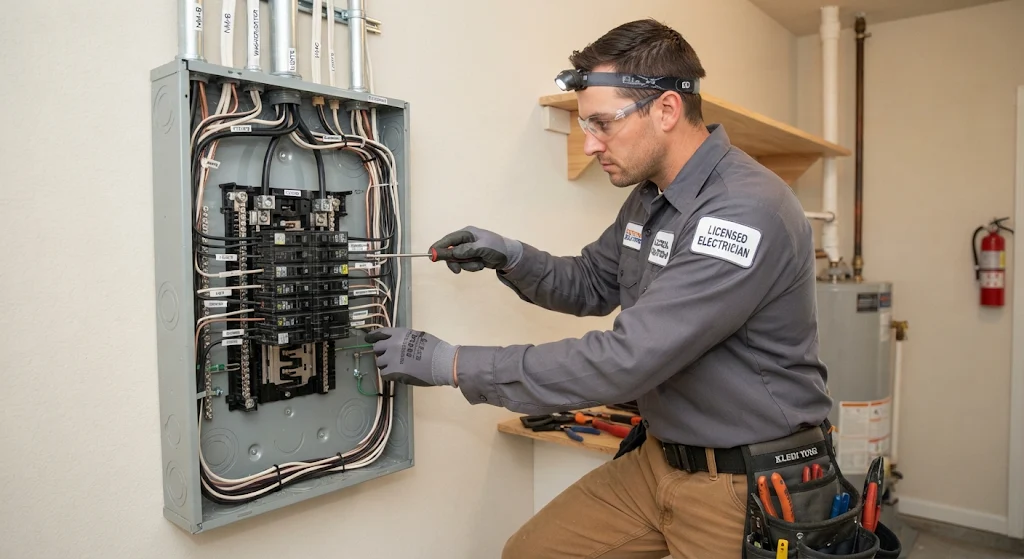
Need Electrical Repair in Denver?
Speak directly with an independent local electrical contractor qualified to handle Electrical Repair in Denver and Denver County.
Call (888) 605-9975 to ConnectRelated Electrical Services in Denver
In addition to Electrical Repair, independent contractors in our Denver referral network provide expertise across other approved electrical categories:
How WATT911 Works
We streamline connecting homeowners and businesses with qualified, independent local electrical professionals throughout Colorado.
Tell Us What You Need
Specify your electrical issue, panel upgrade plans, EV charging requirements, or commercial project details along with your Colorado city.
Referral Connection
WATT911 routes your inquiry to an independent, qualified local electrical contractor with active availability in your Colorado jurisdiction.
Contractor Handles Work
The independent contractor performs an onsite evaluation, provides a transparent quote, manages municipal permits, and completes the work safely.
Contractor Independence
WATT911 connects customers with independent electrical contractors in Denver. The contractor—not WATT911—evaluates the project, provides written estimates, pulls permits from Denver Community Planning and Development (CPD), and executes the work under their own license.
Call (888) 605-9975Frequently Asked Questions
Expert answers to common questions about Electrical Repair in Denver.
If you observe sparking, smoke, or smell burning plastic, immediately evacuate the room and shut off the main circuit breaker inside your electrical panel if it is safe to approach. Then call for professional assistance. If active flames appear, call 911 immediately.
A breaker that trips repeatedly is doing its job by responding to either an overloaded circuit (too many appliances running simultaneously), a ground fault, or a direct short circuit. Never replace a tripping breaker with a larger amperage breaker, as this can overheat the wall wiring and ignite a structure fire. Have an electrician diagnose the circuit.
Basic device replacements like changing an existing light switch or receptacle generally do not require a permit. However, adding new circuits, extending branch wiring, or repairing main service cables requires an electrical permit and inspection from Denver Community Planning and Development (CPD) to verify code compliance.
WATT911 matches your specific repair details and location with an independent, qualified local contractor who has active availability in Denver. The contractor will contact you to discuss scheduling and dispatching.
Diagnosing an intermittent electrical issue requires specialized technician time and testing equipment to isolate hidden faults inside walls or conduits. Most contractors charge a diagnostic or service call fee to pinpoint the problem, after which they provide a written quote for the parts and labor needed for the repair.
Ready for Electrical Repair in
Connect with an independent, qualified local electrical contractor in Denver today. Get your electrical questions answered and schedule an onsite assessment.
Call (888) 605-9975 to Connect →